The Role of Primary Care in Preventing Hospitalizations

The Role of Primary Care in Preventing Hospitalizations

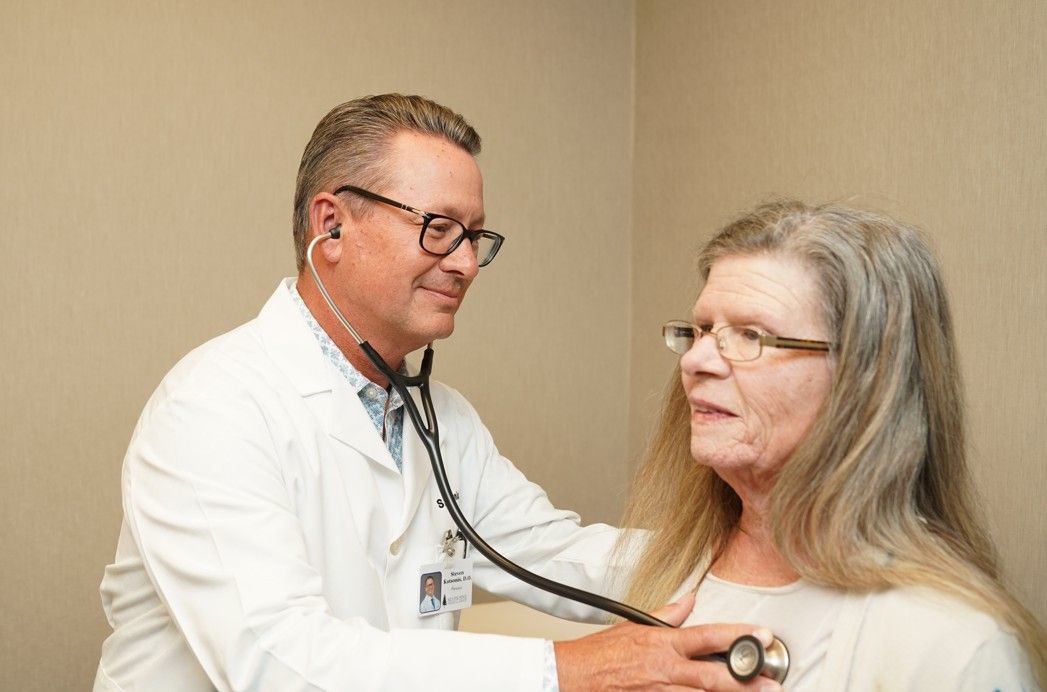
While some hospital stays are unavoidable, many can be prevented with timely, effective care. Primary care enables early intervention, chronic disease management, and preventive screening, all of which help reduce unnecessary hospital visits. At Silver Pine Medical Group, we believe proactive healthcare keeps patients healthier, safer, and out of the hospital.


Our care team is available seven days a week, offering same-day office visits and telemedicine appointments. Schedule online at silverpinedocs.com or call 586-726-4823 to connect with a provider.


Primary Care: Your First Defense Against Hospitalization


Your primary care provider identifies health concerns before they develop further. By comprehending your medical history, medications, and health goals, we can spot subtle changes early and intervene quickly.


Primary care helps prevent hospitalizations through:
• Routine wellness exams and screenings
• Chronic disease monitoring (diabetes, hypertension, asthma)
• Medication management and adjustments
• Vaccinations and preventive care
• Early treatment of infections and acute illnesses


Addressing health concerns early reduces the probability of complications that may require hospital admission.


Chronic Disease Management: Stopping Problems Before They Start


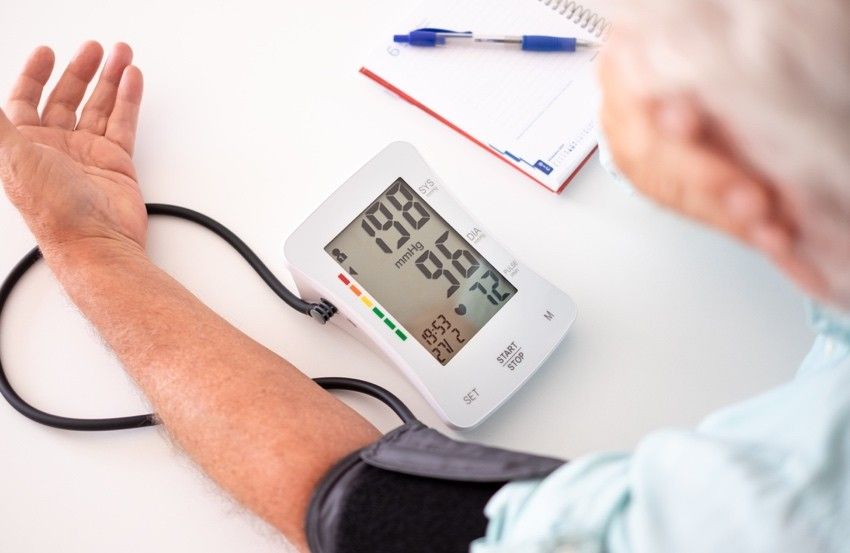
Unmanaged chronic conditions often lead to hospitalization. Regular follow-up visits help us monitor blood pressure, blood sugar, cholesterol, and respiratory function. Immediate modifications to medications or lifestyle can prevent serious flare-ups.


Consistent primary care visits reduce the risk of:
• Heart-related complications
• Diabetic emergencies
• Severe asthma attacks
• Uncontrolled infections
• Medication-related complications

Ongoing monitoring offers stability and reassurance, particularly for patients with multiple conditions.


Coordinated Care and Follow-Up


After a hospital stay, follow-up care is key to preventing readmission. Our team coordinates post-discharge appointments, reviews medication changes, and ensures patients understand their recovery plan.

Clear interaction between specialists and your primary provider reduces gaps in care that could lead to repeat hospital visits.


Urgent Concerns: Call Your Doctor First


Many urgent symptoms can be safely evaluated in a primary care setting. Calling your physician first often prevents unnecessary emergency room visits. We will determine if same-day care, telemedicine, urgent care, or emergency services are needed.


Why Prevention Matters


Preventing hospitalization protects your health, reduces stress, lowers financial burden, and reduces disruption to daily life. Primary care visits are more affordable and provide ongoing support rather than one-time treatment.


By building a long-term relationship with your provider, you benefit from:
• Personalized, continuous care
• Early detection of health changes
• Lower healthcare costs
• Reduced risk of complications
• Greater peace of mind


Your Partner in Preventive Care


At Silver Pine Medical Group, our mission is to keep you healthy, informed, and supported. Proactive care, routine monitoring, and early treatment are effective in preventing hospital stays.


If you have questions about your health or need to schedule an appointment, we are available seven days a week. The right care at the right time helps keep you safe and well at home.



June 29, 2026
Deciding when to visit the emergency room (ER) can be challenging. Some symptoms seem pressing but do not require emergency care, while others call for immediate attention. Identifying the difference secures timely and appropriate treatment. At Silver Pine Medical Group, we believe that patient education leads to better outcomes. Understanding when to seek emergency care protects your health, reduces complications, and can save lives. What Is the ER Really For? The emergency room treats life-threatening conditions and serious medical emergencies that need immediate attention. ER teams are available 24/7 to manage trauma, severe illness, and sudden health changes. If a condition could cause permanent harm or death without prompt treatment, the ER is the appropriate choice. Symptoms That Require a Visit to the ER Some symptoms always require emergency care. Go to the ER or call emergency services if you experience: • Chest pain or pressure, especially if it spreads to the left arm, jaw, or back • Labored breathing or shortness of breath at rest • Sudden weakness, numbness, or trouble speaking (possible stroke symptoms) • Severe head injury or loss of consciousness • Uncontrolled bleeding that does not stop with pressure • Seizures for the first time or lasting longer than a few minutes • Sudden vision loss or severe eye injury • Severe abdominal pain, especially with fever or vomiting • Symptoms of a vital allergic reaction (swelling, hives, or trouble breathing) These symptoms may signal heart attack, stroke, internal bleeding, or severe infection, all of which need immediate medical attention. When to call your PCP for an Urgent Visit Not all health concerns require the ER. Often, a same day visit with your PCP is more appropriate and efficient. Consider calling for a same day urgent appointment for: • Mild to moderate flu symptoms • Ear infections or sore throat • Sprains or small fractures without severe deformity • Mild asthma symptoms without severe breathing difficulty • Urinary tract infections  When to Call Your Primary Care Provider For ongoing or non-urgent concerns, contact your primary care provider first. This includes: • Routine illness management • Medication inquiries or modifications • Chronic condition follow-ups (such as diabetes or high blood pressure) • Mild to moderate cold and upper respiratory symptoms • Mild, ongoing symptoms that are not worsening rapidly Your provider can assess your symptoms, offer treatment, and advise you on whether further care is necessary. The Importance of Making the Right Choice Choosing the right level of care secures prompt treatment and helps prevent ER overcrowding. This allows ER teams to focus on the most important cases. Recognizing your symptoms and responding quickly can greatly enhance results. Take Control of Your Health Decisions Health concerns can be stressful, but knowing when to visit the ER provides clarity in urgent situations. When in doubt, err on the side of caution, especially with chest pain, breathing difficulty, or stroke symptoms. At Silver Pine Medical Group, we are committed to helping patients make well-informed health care choices. If you don’t know if your symptoms require emergency care, our team can guide you toward the right next step. Schedule an appointment today for preventive care, chronic condition management, or general health concerns. Early guidance may help you avoid emergencies and promote long-term health Visit silverpinedocs.com to schedule an appointment online or call 586-726-4823. Evening and weekend telehealth appointments are available 7 days a week.
Understanding High Blood Pressure: The Silent Condition You Can’t Ignore
May 31, 2026
High blood pressure, also known as hypertension, is one of the most common health conditions affecting adults today. Often called the “silent condition"...
How to Avoid Unnecessary Medical Bills: Choosing the Right Care Setting
April 30, 2026
Healthcare costs can rise quickly, especially if care is received in the wrong setting. Many patients are unaware that their choice of treatment...
When to See Your Doctor First: Understanding Primary Care, Urgent Care, and the Emergency Room
By Bob Berendsen February 2, 2026
If you’re physically not feeling 100% right, it’s important to know where to go for care. Many people automatically assume urgent care or the emergency room is the best option, even when their symptoms aren’t emergencies.
January 2, 2026
Comprehensive care means looking at the whole person, not just symptoms. Learn more today.
Seasonal Health Reminders and Well Wishes | Silver Pine Medical Group
By Bob Berendsen December 2, 2025
Timely reminders, preventive tips, and insights from your Silver Pine doctors to help you stay healthy, strong, and supported through the season and beyond.
General Reminders | Silver Pine Medical Group
By Bob Berendsen November 7, 2025
As the seasons shift and life routines fill up, it’s easy to put preventive healthcare on the back burner.
Convenient Care from Flu Shots to Physical Therapy | Silver Pine
By Bob Berendsen October 1, 2025
Healthcare is not just about treating illnesses—it’s about making care accessible, personalized, and comprehensive for every patient.
Understanding Diabetic Awareness | Silver Pine Medical Group
By Bob Berendsen September 1, 2025
Diabetes is more than just a chronic condition; it affects every system in the body and requires constant monitoring.
How Preventive Pediatric Care Supports Healthy Development | Silver Pine Medical Group
By Bob Berendsen August 1, 2025
Preventive pediatric care focuses on early detection, proactive screenings, and ongoing support.