Understanding High Blood Pressure: The Silent Condition You Can’t Ignore

Understanding High Blood Pressure: The Silent Condition You Can’t Ignore

Understanding High Blood Pressure: The Silent Condition You Can’t Ignore

High blood pressure, also known as hypertension, is one of the most common health conditions affecting adults today. Often called the “silent condition,” it can evolve without notable signs while increasing the risk of serious health problems. At Silver Pine Medical Group, we believe early detection and ongoing care are vital for protecting your long-term health and stopping complications.


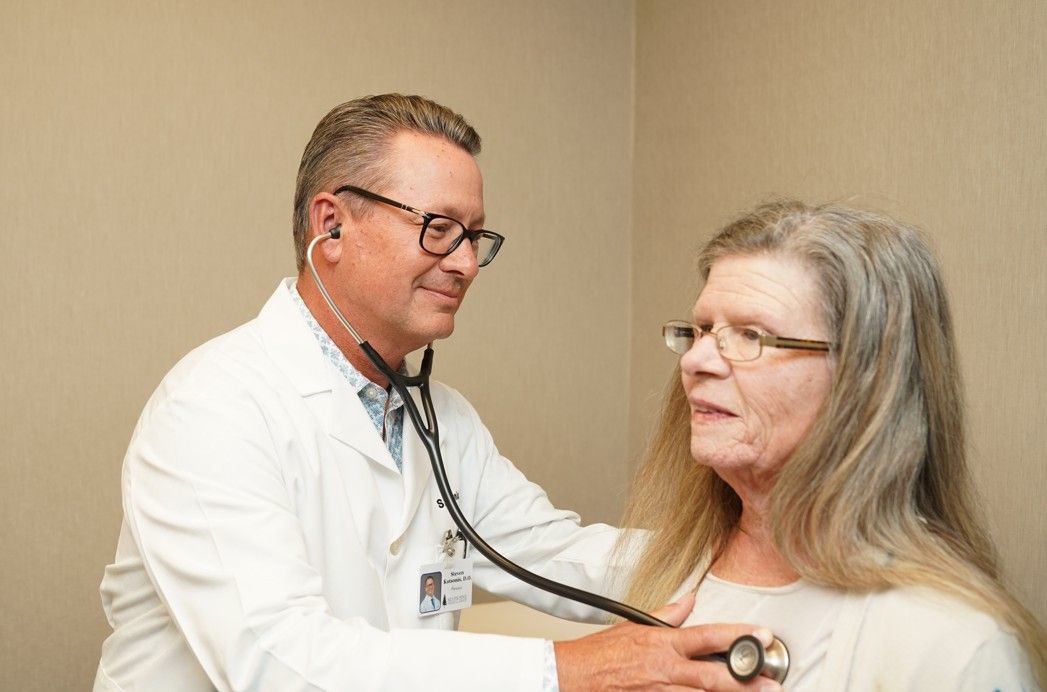
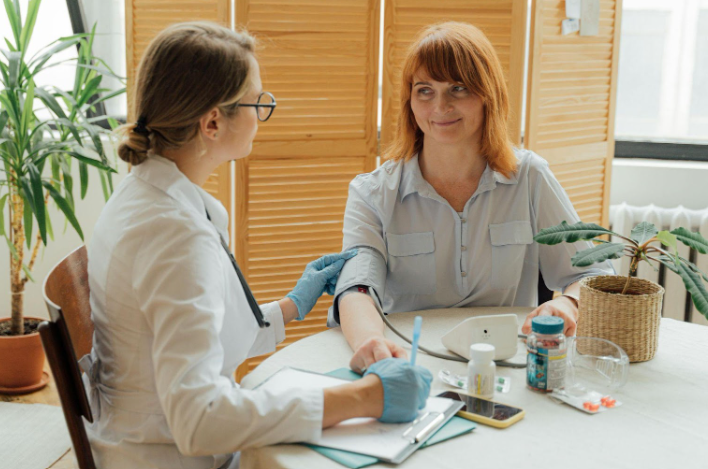
High blood pressure often causes no warning signs, so many people are unaware they have it until a routine exam. Left untreated, hypertension can damage the heart, blood vessels, kidneys, and brain over time. That is why regular checkups with a trusted primary care provider are important.


What Is High Blood Pressure?


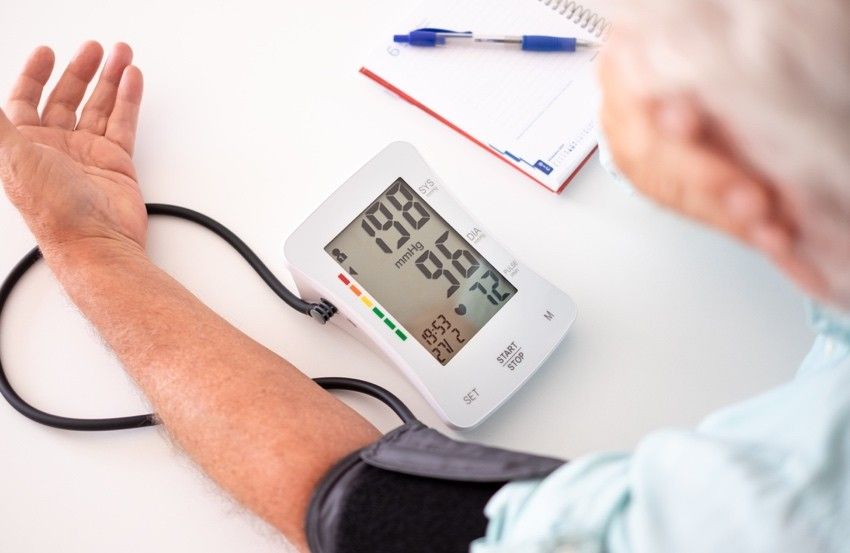
Blood pressure is measured by the force of blood pushing against your artery walls. When that pressure stays consistently high, your heart must work faster and stronger to circulate blood throughout your body. Over time, this strain leads to severe conditions, including heart disease, stroke, and kidney damage.


Multiple factors can contribute to high blood pressure, including:

  • Family history
  • Stress
  • Poor diet
  • Lack of physical activity
  • Smoking or excessive alcohol use
  • Obesity
  • Chronic medical conditions such as diabetes


In many cases, lifestyle habits have a major role in developing hypertension. Healthy changes and proper medical care can often help control it.


Symptoms May Not Appear Until Damage Occurs


One of the biggest dangers of hypertension is that symptoms may not appear for years. Some people experience headaches, dizziness, shortness of breath, or blurred vision, but many have no symptoms.

Routine blood pressure screenings help identify problems before complications develop. At Silver Pine Medical Group, our providers monitor your blood pressure during preventive care visits and annual exams to catch issues early.


Why Managing Blood Pressure Matters


Uncontrolled hypertension increases the chances of:

  • Heart attack
  • Stroke
  • Heart failure
  • Kidney disease
  • Vision problems
  • Circulation issues


Managing blood pressure early can significantly reduce these risks and improve quality of life. Treatment options are tailored to each person and may include lifestyle changes, medication, or both.


Healthy Habits That Help Lower Blood Pressure


Simple daily habits can help control hypertension. Your healthcare provider may recommend:

  • Eating a heart-healthy diet low in sodium
  • Exercising regularly
  • Maintaining a healthy weight
  • Reducing stress
  • Quitting smoking
  • Limiting alcohol intake
  • Monitoring blood pressure at home


Consistency is fundamental when managing high blood pressure. Regular follow-up visits ensure treatment is working and adjustments can be made when needed.


Primary Care Holds an Important Role


Having a trusted primary care provider lets you build a long-term plan for managing your health. At Silver Pine Medical Group, we focus on preventive treatment, chronic disease management, and patient education to help individuals stay healthy and avoid serious complications.


Our care team offers same-day office visits and telemedicine appointments seven days a week, making it easier to receive prompt care and ongoing support.


Take Control of Your Heart Health


High blood pressure should never be ignored. Early diagnosis and proper treatment can help protect your heart, brain, and general well-being for years to come.


If you are due for a blood pressure check or have concerns about hypertension, schedule an appointment with Silver Pine Medical Group today. Same-day office visits and telemedicine appointments are available seven days a week. Visit Silver Pine Medical Group  or call 586-726-4823 to learn more about managing your health with affordable, patient-focused care.


June 29, 2026
Deciding when to visit the emergency room (ER) can be challenging. Some symptoms seem pressing but do not require emergency care, while others call for immediate attention. Identifying the difference secures timely and appropriate treatment. At Silver Pine Medical Group, we believe that patient education leads to better outcomes. Understanding when to seek emergency care protects your health, reduces complications, and can save lives. What Is the ER Really For? The emergency room treats life-threatening conditions and serious medical emergencies that need immediate attention. ER teams are available 24/7 to manage trauma, severe illness, and sudden health changes. If a condition could cause permanent harm or death without prompt treatment, the ER is the appropriate choice. Symptoms That Require a Visit to the ER Some symptoms always require emergency care. Go to the ER or call emergency services if you experience: • Chest pain or pressure, especially if it spreads to the left arm, jaw, or back • Labored breathing or shortness of breath at rest • Sudden weakness, numbness, or trouble speaking (possible stroke symptoms) • Severe head injury or loss of consciousness • Uncontrolled bleeding that does not stop with pressure • Seizures for the first time or lasting longer than a few minutes • Sudden vision loss or severe eye injury • Severe abdominal pain, especially with fever or vomiting • Symptoms of a vital allergic reaction (swelling, hives, or trouble breathing) These symptoms may signal heart attack, stroke, internal bleeding, or severe infection, all of which need immediate medical attention. When to call your PCP for an Urgent Visit Not all health concerns require the ER. Often, a same day visit with your PCP is more appropriate and efficient. Consider calling for a same day urgent appointment for: • Mild to moderate flu symptoms • Ear infections or sore throat • Sprains or small fractures without severe deformity • Mild asthma symptoms without severe breathing difficulty • Urinary tract infections  When to Call Your Primary Care Provider For ongoing or non-urgent concerns, contact your primary care provider first. This includes: • Routine illness management • Medication inquiries or modifications • Chronic condition follow-ups (such as diabetes or high blood pressure) • Mild to moderate cold and upper respiratory symptoms • Mild, ongoing symptoms that are not worsening rapidly Your provider can assess your symptoms, offer treatment, and advise you on whether further care is necessary. The Importance of Making the Right Choice Choosing the right level of care secures prompt treatment and helps prevent ER overcrowding. This allows ER teams to focus on the most important cases. Recognizing your symptoms and responding quickly can greatly enhance results. Take Control of Your Health Decisions Health concerns can be stressful, but knowing when to visit the ER provides clarity in urgent situations. When in doubt, err on the side of caution, especially with chest pain, breathing difficulty, or stroke symptoms. At Silver Pine Medical Group, we are committed to helping patients make well-informed health care choices. If you don’t know if your symptoms require emergency care, our team can guide you toward the right next step. Schedule an appointment today for preventive care, chronic condition management, or general health concerns. Early guidance may help you avoid emergencies and promote long-term health Visit silverpinedocs.com to schedule an appointment online or call 586-726-4823. Evening and weekend telehealth appointments are available 7 days a week.
How to Avoid Unnecessary Medical Bills: Choosing the Right Care Setting
April 30, 2026
Healthcare costs can rise quickly, especially if care is received in the wrong setting. Many patients are unaware that their choice of treatment...
The Role of Primary Care in Preventing Hospitalizations
By Bob Berendsen March 3, 2026
While some hospital stays are unavoidable, many can be prevented with timely, effective care. Primary care enables early intervention, chronic disease management, and preventive screening, all of which help reduce unnecessary hospital visits.
When to See Your Doctor First: Understanding Primary Care, Urgent Care, and the Emergency Room
By Bob Berendsen February 2, 2026
If you’re physically not feeling 100% right, it’s important to know where to go for care. Many people automatically assume urgent care or the emergency room is the best option, even when their symptoms aren’t emergencies.
January 2, 2026
Comprehensive care means looking at the whole person, not just symptoms. Learn more today.
Seasonal Health Reminders and Well Wishes | Silver Pine Medical Group
By Bob Berendsen December 2, 2025
Timely reminders, preventive tips, and insights from your Silver Pine doctors to help you stay healthy, strong, and supported through the season and beyond.
General Reminders | Silver Pine Medical Group
By Bob Berendsen November 7, 2025
As the seasons shift and life routines fill up, it’s easy to put preventive healthcare on the back burner.
Convenient Care from Flu Shots to Physical Therapy | Silver Pine
By Bob Berendsen October 1, 2025
Healthcare is not just about treating illnesses—it’s about making care accessible, personalized, and comprehensive for every patient.
Understanding Diabetic Awareness | Silver Pine Medical Group
By Bob Berendsen September 1, 2025
Diabetes is more than just a chronic condition; it affects every system in the body and requires constant monitoring.
How Preventive Pediatric Care Supports Healthy Development | Silver Pine Medical Group
By Bob Berendsen August 1, 2025
Preventive pediatric care focuses on early detection, proactive screenings, and ongoing support.